The four hydraulic boat-lifts on this short stretch of the historic Canal du Centre are industrial monuments of the highest quality. Together with the canal itself and its associated structures, they constitute a remarkably well-preserved and complete example of a late-19th-century industrial landscape. Of the eight hydraulic boat-lifts built at the end of the 19th and beginning of the 20th century, the only ones in the world which still exist in their original working condition are these four lifts on the Canal du Centre.
Viser opslag med etiketten Belgium. Vis alle opslag
torsdag den 24. april 2014
tirsdag den 18. oktober 2011
Belgium - Plantin-Moretus House-Workshops-Museum Complex
The Plantin-Moretus Museum is a printing plant and publishing house dating from the Renaissance and Baroque periods. Situated in Antwerp, one of the three leading cities of early European printing along with Paris and Venice, it is associated with the history of the invention and spread of typography. Its name refers to the greatest printer-publisher of the second half of the 16th century: Christophe Plantin (c. 1520–89). The monument is of outstanding architectural value. It contains exhaustive evidence of the life and work of what was the most prolific printing and publishing house in Europe in the late 16th century. The building of the company, which remained in activity until 1867, contains a large collection of old printing equipment, an extensive library, invaluable archives and works of art, among them a painting by Rubens.
Belgium - The Cathedral of Notre-Dame in Tournai
The Cathedral of Notre-Dame in Tournai was built in the first half of the 12th century. It is especially distinguished by a Romanesque nave of extraordinary dimensions, a wealth of sculpture on its capitals and a transept topped by five towers, all precursors of the Gothic style. The choir, rebuilt in the 13th century, is in the pure Gothic style.
Belgium - Neolithic Flint Mines at Spiennes (Mons)
The Neolithic flint mines at Spiennes, covering more than 100 ha, are the largest and earliest concentration of ancient mines in Europe. They are also remarkable for the diversity of technological solutions used for extraction and for the fact that they are directly linked to a settlement of the same period.
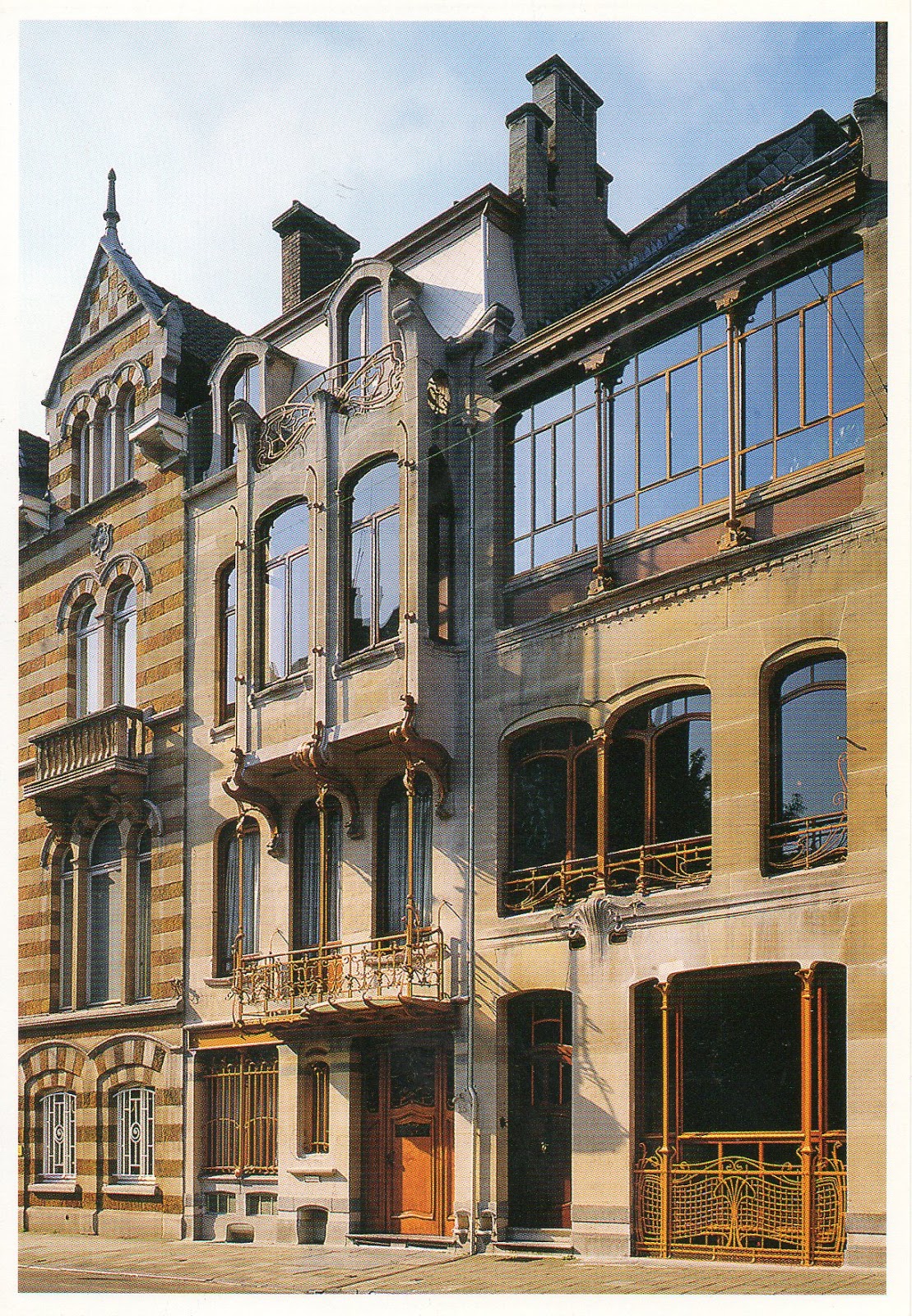
Belgium - Major Town Houses of the Architect Victor Horta (Brussels)
The four major town houses - Hôtel Tassel, Hôtel Solvay, Hôtel van Eetvelde, and Maison & Atelier Horta - located in Brussels and designed by the architect Victor Horta, one of the earliest initiators of Art Nouveau, are some of the most remarkable pioneering works of architecture of the end of the 19th century. The stylistic revolution represented by these works is characterised by their open plan, the diffusion of light, and the brilliant joining of the curved lines of decoration with the structure of the building.
Belgium - Historic Centre of Brugge
Brugge is an outstanding example of a medieval historic settlement, which has maintained its historic fabric as this has evolved over the centuries, and where original Gothic constructions form part of the town's identity. As one of the commercial and cultural capitals of Europe, Brugge developed cultural links to different parts of the world. It is closely associated with the school of Flemish Primitive painting.
St. Saviour´s Cathedral
mandag den 17. oktober 2011
Belgium - La Grand-Place, Brussels
La Grand-Place in Brussels is a remarkably homogeneous body of public and private buildings, dating mainly from the late 17th century. The architecture provides a vivid illustration of the level of social and cultural life of the period in this important political and commercial centre.
Belgium - Flemish Béguinages
The Béguines were women who dedicated their lives to God without retiring from the world. In the 13th century they founded the béguinages , enclosed communities designed to meet their spiritual and material needs. The Flemish béguinages are architectural ensembles composed of houses, churches, ancillary buildings and green spaces, with a layout of either urban or rural origin and built in styles specific to the Flemish cultural region. They are a fascinating reminder of the tradition of theBéguines that developed in north-western Europe in the Middle Ages.
Lier
Turnhout
Brugge
Diest
Leuven
Kortrijk
Abonner på:
Opslag (Atom)